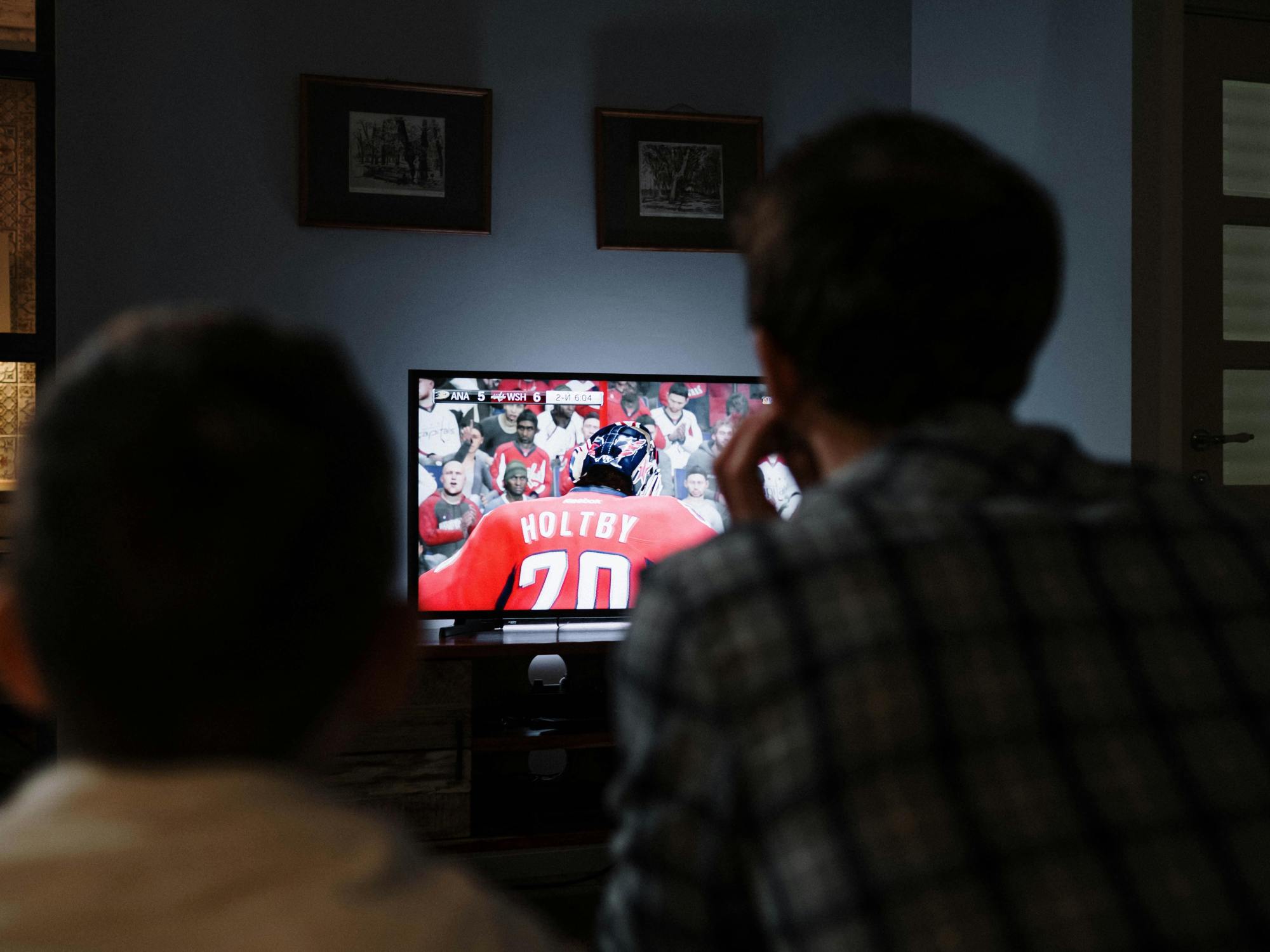
The time when a family cooked, had lunch, watched TV, played videogames and had long conversations about the future together is far behind us. With the advent of social media and a proliferation of all kind of apps, most people trust their mobile devices more than anything in the world — in fact, this is what their world is about: whatever shows on the screen, in a personalized fashion. But outside the problems within tech that we could be debating, the complete separation between family members who share a home is too extreme to ignore, and should be addressed carefully, but without neglect.
When you look at young people having their first experiences with phones, maybe their parents think that something finally made them distracted. Like the mother who’s relieved for not needing to breastfeed anymore, or the dad who tells his kid not to run on the street because they might trip and fall, parents are finally at peace when they can give their beloved son or daughter a new thing to play with. But let’s be real about this, please (and I could make a remarkably long note on the media’s obsession with the Epstein story, but I won’t — not because I’m defending anyone, but because I think society needs to think deeper about the problems it brought upon itself): actual kids, the ones we’re allowed to call “little kids” without being indulgent in reprieval of a given behavior from someone older who should “mind the gap”, as the British so traditionally say, start to interact with electronic devices before they’re 2 years old. You’re not even talking about “little kids”; you’re talking about “little babies”, and that is on the media: television is watched by this portion of the population at the rate of 88%, according to Pew Research. By the time they’re 9 to 11, the use of desktop or laptop computers can reach a staggering 73% of kids, and we have to remind the not-quite-savvy internet commentators out there that what the law says is that internet usage is a nuanced thing: before the age of 13, COPPA establishes that you are prohibited from creating social media accounts (and the marketing industry wants to hide this at all costs, while the mere access to the legal text from a government source requires registration of your IP for the mere consultation, and in the end, you can’t see it); from 13 to 17, the policy (not the law) suggests and incentivizes monitoring of social media (which, if you’re anywhere close to a teenager, you’ll notice they have opinions on), and then, from 18 onwards, they can “almost literally” do anything they want.
Since these are supposed to be well known facts, I’ll refrain from further comment. But if you’re actually concerned with, for example, what’s appropriate for kids or teens to consume, to do on their free time or to think about, you might wanna check the initiatives from Common Sense Media. You’ll notice, for example, that basic media literacy themes have quite an odd approach by this organization, which suggests that horror movies about online interactions should be watched by teenagers. I personally believe that the best thing ever done in this field (at the risk of sounding like I’m not in line or up to date with contemporary media, trends or behavior at all, but trying my best to offer answers to the problems parents face and teenagers have to deal with, because it’s about what they can’t do more often than what they can) has been the series Phony Texts — which amounts to many episodes and is still, if I’m not mistaken, being sponsored on Snapchat, a massively teen app (and I wonder who’s really interested in this debate and won’t bring up comparisons with the whole Epstein case, because philosophical gymnastics are their favorite sport of fucking trolls).
The fact is that both “the kids” and their parents want to have their own conversations. And sometimes, they interact genuinely. A parent who’s involved in their kid’s life is a not so often seen case, precisely because technology obliterated the relationships families had. The suggestion that “there is supervision” is just a heads up to keep an eye on your child. There are countless scenarios, and I’m surprised that what I have to say about that is so hard to focus on, when I’ve been an educator for almost 20 years, and I know teens and their behavior broadly speaking, but I’ve squeezed out details over the years, with a personal toll, but at least I knew what was really happening. And parents simply won’t go there — sometimes, because kids won’t let them. And please notice something of essence here: they don’t wanna be called kids, but they will say you’re talking to little kids if they can use this against you. So what about your kid’s character? Why are they so obsessed with calling everyone they look at, who’s older than they are, a pedophile who should go to jail and die there, or just “kys” (a grimly popularized acronym), while it’s clearly them who need to learn about not judging others, being more accepting and developing social skills — as well as giving room for their sexual feelings to be attended to, living a happy and healthy life, as long as they’re also busy with developing critical capacities? Why is it such a freaking taboo to talk about how teens live their lives, and why do we wanna keep avoiding the fact that they’re the ones who set the rules today, in a web-based world economy, to keep feeding false narratives and conveniences of a seclusionary mindset that often discriminates, labels for life and doesn’t give any further chances to someone who’s ever been anywhere near inappropriate, even in privacy and secrecy, but to the kids, we allow everything — remember? They use smartphones when they’re 2 years old! — and fail to prepare them for the workplace, while they can’t seem to understand anything relevant about the media and are completely unable to behave in a professional manner? Why are we not talking about skill gaps, which are affecting the world economy right fucking now, and instead, give all the attention in the world to ego trips, gossip and drama from people who would be better off if they picked up a book or listened to some actually good music, instead of today’s fucking trash?
Sorry for the harsh words, but actually, I know the answer to these questions. It’s because the dad who’s cooking or the mom who’s doing laundry (or the other way around, or maybe something uneven, whatever the context is) have personal affairs — and nobody talks about Ashley Madison anymore: it’s all about Epstein. Nobody wants to be open about their personal lives as an adult, but both the media and the many social circles that teens navigate demand this from them, and it’s natural that they react. But is anybody out there able to realize that they want freedom to do what they want, and that if we had good teachers who were prepared to deal with today’s context, none of this shit would be an issue because students would know what the fuck is going on? PewDiePie was a clown. Felipe Neto was an opportunist. Justin Bieber was a little bitch with an air of superiority. Wake up. Your idols have lied to you, and so has the media, and your parents. The only way through is developing critical thinking, social skills and technical knowledge. And for that, we can sacrifice the soccer match gathering in front of the TV. When the world realizes that old habits are already dead, they’re gonna start killing the zombies.

 Participatory Fluency | Fluência Participativa