We’ve seen massive disruptions over the course of the last decades. Since 9/11, we’ve had Bush and Obama go after terrorists in Afghanistan while they also aimed at a seize of Iraqi nuclear weapons, which were never there. The same, recently, has been said about Iran, but we’ve seen conflicts in Lybia, with Hillary Clinton involved, movements in Pakistan and South Africa, the tragic death of Shinzo Abe, in Japan, the unsettlement in the South Korean government, the persecussion of dissenters in Putin’s Russia, the less talked about upheaval in South Sudan, the incident with Jamal Kashoggi in Saudi Arabia, the events that resulted in Brexit in the UK, the support of a neo-nazi party in Germany, far-right tendencies spread across Argentina and some other South American countries, but notably represented by figured like Orbán, in Hungary, and Giorgia Meloni, in Italy, and then, we have the ongoing tensions related to Zelenskyi’s Ukraine, without forgetting about the role that Israel’s Benjamin Netanyahu plays in keeping the idea of a free Palestinian people very much outside of the official policy debates. Add to that the shifts in power in Mexico, with Sheneinbaum, and in Colombia, with Petro, not to mention Gabriel Boric, in Chile — a strong alliance, if it weren’t the United States dismantling it by ousting Nicolas Maduro in Venezuela — and you have, if it matters, elections happening in Brazil in 2026 while the former president has been jailed and sentenced to over 17 years.
In the world of business, they sure seem to care about different things. Datacenters, it seems, are a priority, in an AI-boosted workplace (wherever that place may be). The technology is advanced, and so are the chips manufactured by the likes of Nvidia and Intel, not to mention other players, such as Qualcomm, Cisco or even Nokia (who recently made a partnership with the biggest chipmaker in the world), Samsung trying to stay relevant and other names being forgotten, like Sony. Add to that another player from a different time, and you’ll notice that technology isn’t an America First theme: Ericsson operates in the same country as Spotify, and if we talk about the services area, then the juggernauts are actually Google, Microsoft, Meta and Apple, the latter also doing hardware (but with many Asian players in the market). Then you have subscription services, with a host of former TV channels offering entertainment to the public, and we haven’t even started to talk about social media, but Netflix is buying Warner, a century-old enterprise. Disney is still relevant, but TikTok has switched to Oracle’s domain. And that’s just a little taste of it.
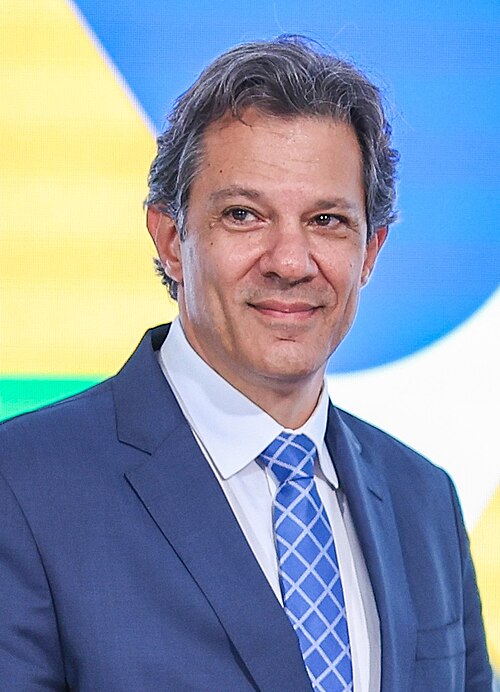
You’d think that the government agencies would be very busy. People don’t seem to care that the European Union is a strong body, as seen in influential people’s statements. But the real world is one where Christine Lagard occupies the presidency of the European Central Bank with unquestionable authority, while in the US people argue that Jerome Powell has to be replaced, with the premise that rates need to be cut (you know, so businesses can get more loans and the rest of the population begs for the rest of their lives), but a noticeable lapse of memory on who chose the latter to do the job. In Brazil, the current president is mr. Galípolo, born in 1982, seen here in a formal address, while the Minister of Economy is Fernando Haddad, recently interviewed by UOL.
But while we talk about whether the FTC could do something about the internet, just in case we want to sound more serious, social media users have been split between attacks on ICE (among others institutions highly regarded by either this current administration or the world of economists), the NSA, when it’s convenient, and the DHS. In Britain, it’s the NHS, and in Brazil, it certainly is SUS, but there’s a strong advocacy movement that thinks what we have today was a victory for our people. All the while we live in a technology immersed world, and consulting companies (Accenture, McKinsey, Deloitte) and investment firms and VCs continue to be immune to any criticism at all.
I believe, with Sherry Turkle, that we need to “reclaim conversation“. But considering how much the youth ignores in the hopes of getting more likes, followers and subscribers is a topic that is supposed to make you mad. I believe that Section 230 shields tech companies, but it’s not a question of believing or not (as if the numbers weren’t enough), it’s a question of reading the words in the document. And I believe that the First Amendment shouldn’t be invoked by a Nazi on the cover of Forbes. At a bare minimum, “reach” needs to be redefined — and not by Grok.

 Participatory Fluency | Fluência Participativa